How to Cut UK Energy and Household Bills: Social Tariffs, Water Meters, and Smart Strategies
Practical ways to cut UK energy and household bills. Explore Ofgem price caps, Ofcom broadband social tariffs, water meter rules, and council tax discounts.
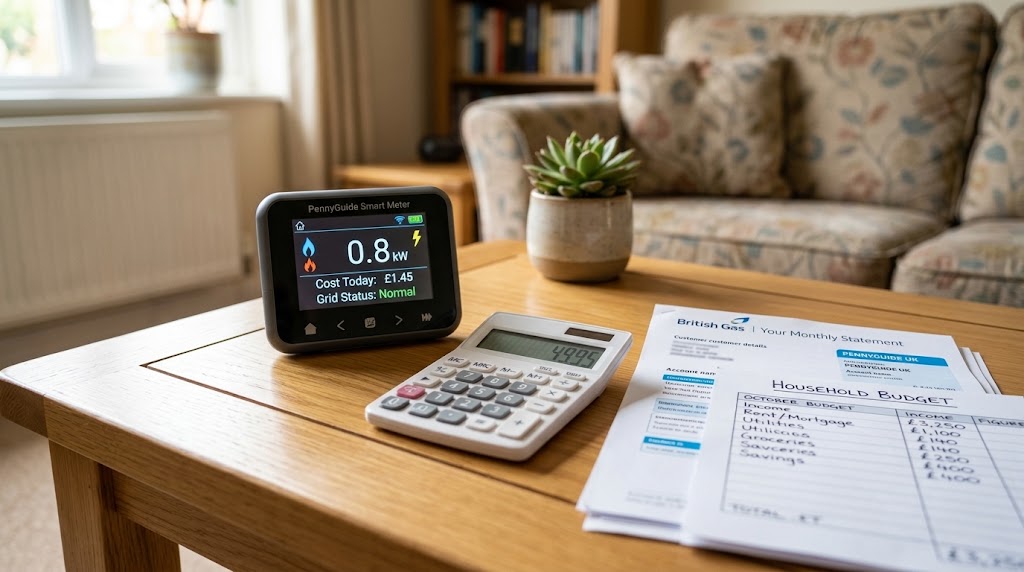
With the domestic energy price cap fluctuating and standing charges remaining stubbornly high, British households face persistent pressure from essential utility overheads. Fixed utility costs—gas, electricity, water, broadband, and council tax—form the bedrock of monthly non-discretionary expenditure.
Taking control of these outgoings does not mean freezing through winter or surviving without reliable internet. By utilizing statutory consumer protection schemes, regulatory caps, and utility switching rights, some households may reduce costs; the amount depends on their bills and eligibility. Here is a realistic, step-by-step blueprint to cut UK energy and household bills.
Mastering the Ofgem Price Cap and Standing Charges
The Office of Gas and Electricity Markets (Ofgem) regulates the default tariff price cap across England, Scotland, and Wales. It is essential to understand that the headline cap is not a limit on your total annual bill; it caps the maximum unit rate per kilowatt-hour (kWh) and the daily standing charge a supplier can bill on standard variable tariffs.
| Utility Area | Typical Annual Waste | Actionable Reduction Strategy | | :--- | :--- | :--- | | Combi Boiler Flow Temp | £65 – £110 / year | Reduce radiator flow temperature to 60°C on condensing boilers | | Broadband Out-of-Contract | £180 – £260 / year | Switch providers or downgrade to statutory social tariffs | | Unmetered Water Bills | £100 – £200 / year | Switch to a water meter if occupants are fewer than bedrooms | | Single Person Council Tax | 25% of annual bill | Apply for statutory single person discount via local borough |
The Combi Boiler Flow Temperature Adjustment
Most condensing combi boilers in the UK are installed with their default heating flow temperature set to 75°C or 80°C. At this level, the boiler rarely enters condensing mode.
By using the dials or digital interface on the front of your boiler to drop the heating flow temperature to 60°C, your boiler recovers heat from flue gases that would otherwise escape into the atmosphere. This single adjustment lowers annual gas usage by up to 8% to 12% without reducing room temperatures—radiators simply warm up slightly more gradually.
Water Bills: The Bedroom Rule
Unlike gas and electricity, you cannot switch water suppliers in England and Wales because regional companies hold statutory geographic monopolies. However, you have the legal right under the Water Industry Act 1999 to request a free water meter.
- The Core Rule of Thumb: If your household has more or equal bedrooms than residents (e.g., a two-bedroom flat with one occupant, or a four-bedroom house with two people), a water meter almost universally reduces your bill compared to the archaic "Rateable Value" calculation.
- The 24-Month Reversal Protection: Under Consumer Council for Water regulations, most major suppliers permit you to switch back to unmetered rateable value billing within up to 12 to 24 months if a meter inadvertently increases your bills.
Broadband Social Tariffs: Beating Price Hikes
Millions of UK households receiving qualifying Department for Work and Pensions (DWP) benefits—including Universal Credit, Pension Credit, and Jobseeker's Allowance—are paying standard retail broadband tariffs of £35 to £45 per month.
Under Ofcom rules, major telecoms providers operate dedicated Social Tariffs starting from £12 to £20 per month:
- Zero Mid-Contract Inflation Hikes: Social tariffs are legally shielded from annual April CPI/RPI plus percentage price increases.
- Zero Exit Penalties: Providers cannot penalize eligible consumers for moving between standard contracts and social tariffs.
- Speed Parity: Most social packages offer reliable 30Mbps to 100Mbps fiber connections, sufficient for 4K streaming and remote work.
Aligning Utility Savings with Broader Budget Goals
Squeezing structural savings from essential monthly utilities preserves crucial cash flow across every other aspect of your personal finances:
- Eliminate Food Waste at the Till: Pair your utility reductions with aggressive downshifting strategies detailed in grocery savings guide.
- Protect Living Allowances: If you balance accommodation overheads on fixed terms, safeguard your liquidity using our student budgeting guide.
- Know Your Tenant Utility Rights: If renting privately, check landlord metering and deposit rights in our breakdown on Renting as a Student in the UK: Deposit Caps & Tenant Rights.
- Reinvest Surpluses Tax-Free: Direct the cash saved on gas, water, and broadband directly into high-interest accounts. Review tax shelters in Best Cash ISA Rates UK: How to Maximize Tax-Free Savings and Lifetime ISA UK Rules.
- Fund Living Gaps via Flexible Earning: Explore low-barrier micro-enterprises to offset rising council tax bills by reviewing Best UK Side Hustles and Selling on Vinted UK Tax Rules.
- Layer Total Household Cuts: Build a comprehensive baseline across all everyday overheads by consulting our master strategy in How to Cut Living Costs UK: Ways I Saved Over £1,800 a Year.
Quick Action Checklist for This Week
- Check Your Boiler Flow: Dial the radiator symbol down to 60°C.
- Evaluate Your Water Usage: If your bedroom count exceeds the number of occupants, request an assessment meter from your regional water provider.
- Audit Your Broadband Expiry: Check your contract end-date; if out of contract, negotiate immediately or switch to an open social tariff.

Liam Sterling
Verified UK Financial ContributorSenior UK Personal Finance Editor & Banking Analyst
Liam is a London-based financial journalist with over 11 years of experience covering UK personal taxation, Cash ISAs, and consumer banking regulations. Previously an analyst at a City of London asset manager, he holds an MSc in Financial Economics from UCL.
Financial Editorial Disclaimer
PennyGuideUK is an independent consumer money-saving publication. We do not provide regulated financial, legal, credit, or tax advice under the Financial Services and Markets Act 2000. Interest rates, supermarket offers, and HMRC tax allowances are subject to change. Always verify details with provider documentation or an FCA-authorised adviser before making financial decisions.