Supermarket Loyalty Prices UK: Check the Basket Beyond the Discount
Supermarket loyalty prices UK: compare unit prices, check offer conditions and assess your whole basket before changing shops for a discount.
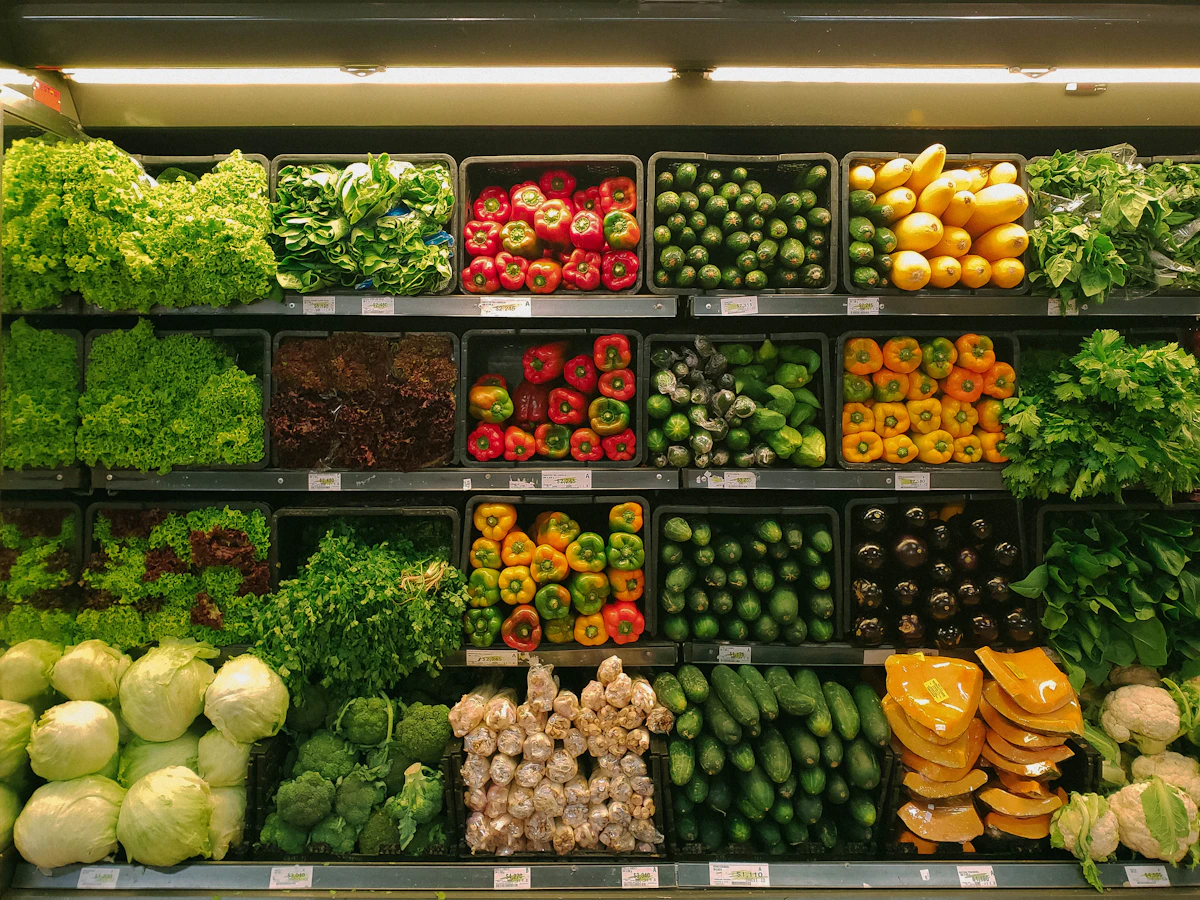
A shelf label showing two prices can make the membership price feel like an obvious bargain. It may be a useful discount, but it answers only one question: what this shop charges for this product under these conditions. It does not show whether another pack, another brand or another shop would suit you better.
Supermarket loyalty prices UK shoppers encounter should be treated as part of a basket comparison. Start with the food you intended to buy. Then check the amount you would actually pay, whether you qualify for that price and what you will use before it spoils. A loyalty card should support your shopping plan rather than write it.
Supermarket loyalty prices UK: read the conditions first
Check whether the offer requires a registered card, an app, a loaded coupon or a particular pack size. Some promotions have dates, purchase limits or exclusions. Rules differ between schemes, so read the retailer's current terms rather than relying on a previous visit.
Make sure you can present the required membership at checkout. A phone with no battery or an account you cannot sign into can change the price you pay. If you prefer not to use an app, ask whether another membership method is available.
Membership may involve sharing information about purchases. Read the privacy settings and communication choices before joining. A potential price reduction does not require you to accept every optional marketing message. Choose a service you can use comfortably and understand.
Compare the unit price on the same basis
Look at price per kilogram, litre or item where displayed, and compare equivalent products. A smaller discounted pack can still cost more per unit than a larger standard-price pack. Conversely, buying more than you need can erase any advantage.
An illustrative comparison has a 500g pack at £2 and a 750g pack at £2.70. The first costs £4 per kilogram; the second costs £3.60 per kilogram. Those are invented figures to explain the calculation. If you will use only 500g and discard the remainder, the larger purchase is not automatically better for your budget.
Our unit pricing guide covers this comparison in more detail. Keep separate notes for pack size and price when a retailer changes packaging. Comparing the price alone can hide a reduction in the amount supplied.
Price the whole basket, including substitutions
Select a small set of products you buy regularly. Compare realistic alternatives rather than forcing the same premium brand into every basket. Include dietary requirements and the products your household will actually eat. A low-priced substitute nobody wants is not useful.
For each shop, add delivery fees, minimum order requirements or transport costs where they apply. Check whether the comparison depends on a first-order coupon that will not be available next time. Record promotional and ordinary prices separately so a short-term offer does not become your long-term assumption.
You do not need to track every supermarket each week. Compare your current option with one practical alternative. Too much checking can turn a modest saving into a large time commitment, particularly when shops are far apart.
Do not spend to chase a points target
Separate a discount on something already on your list from a reward that requires extra spending. If you must buy an unwanted product or raise the basket above a threshold, count that extra cost before valuing the reward.
A hypothetical shopper is £6 short of a promotion that offers a £3 voucher. Adding £6 of food they do not need leaves them spending more today for a smaller future benefit. If those purchases replace next week's planned food and will keep safely, the comparison changes. The usefulness of the items matters.
Check when rewards expire and what they can be spent on. A voucher with restrictions is not the same as money in a bank account. Avoid assigning it full value if you regularly forget to redeem it or cannot use it for your normal purchases.
Check the receipt while a problem is easy to explain
Before leaving, review major offers and any items whose checkout price surprised you. Keep the receipt and note the product or shelf label involved. Ask the retailer to explain the difference calmly; it may be a pack mismatch, an expired offer or a membership problem.
Do not assume an advertised member price applies to a different size or flavour. Equally, do not dismiss a clear discrepancy just because it is small. Understanding the cause helps you avoid repeating it on the next shop.
For broader shopping organisation, use our grocery planning guide. A short list based on cupboards and planned meals usually makes it easier to judge whether an offer belongs in the basket.
Keep one rule for next time
Choose a rule that addresses your own shopping habit. It could be checking unit prices for three staples, loading coupons before leaving home or comparing the final basket before placing an online order. Apply it for several shops and see whether it changes actual spending.
For neutral budgeting support, MoneyHelper's budgeting resources can help place grocery spending alongside other bills. Loyalty membership is a purchasing tool, not an income source. Its value comes from the purchases it improves, after conditions, waste and extra costs are included.

Liam Sterling
Verified UK Financial ContributorSenior UK Personal Finance Editor & Banking Analyst
Liam is a London-based financial journalist with over 11 years of experience covering UK personal taxation, Cash ISAs, and consumer banking regulations. Previously an analyst at a City of London asset manager, he holds an MSc in Financial Economics from UCL.
Financial Editorial Disclaimer
PennyGuideUK is an independent consumer money-saving publication. We do not provide regulated financial, legal, credit, or tax advice under the Financial Services and Markets Act 2000. Interest rates, supermarket offers, and HMRC tax allowances are subject to change. Always verify details with provider documentation or an FCA-authorised adviser before making financial decisions.